Picture this: it’s a rainy Saturday, the kind that makes you want to curl up with something warm, sweet, and utterly comforting. I was staring at a half‑finished pancake batter, wondering why my kitchen felt so empty, when a friend dared me to bake a bundt cake that could out‑shine even the fanciest café desserts. I laughed, grabbed a handful of apples from the fridge, and thought, “What if I could combine the wholesome goodness of whole‑wheat flour with the golden kiss of honey?” That moment sparked a kitchen experiment that turned into the most addictive, crowd‑pleasing treat I’ve ever made.
The first whiff that hit me was pure nostalgia – the scent of toasted cinnamon and nutmeg swirling with the caramelized perfume of honey, all wrapped up in the earthy aroma of whole wheat. My hands were busy, the wooden spoon clinking against the bowl, the apples tumbling in like tiny, juicy fireworks. I could hear the faint sizzle of butter melting in the pan, the gentle hum of the oven preheating, and the soft thud of the batter as it settled into the greased Bundt pan. The texture under my fingertips was a perfect blend of silky batter and chunky apple pieces, promising a crumb that would be both tender and delightfully hearty.
What makes this version truly stand out is the secret weapon I threw in: a splash of honey‑infused milk that keeps the cake moist for days and adds a subtle floral note you’ll swear is magic. Most recipes either drown the cake in sugar or forget the honey altogether, but I found the perfect balance that lets the natural sweetness of the apples shine without being overpowered. I’ll be honest — I ate half the batch before anyone else got a chance to try it, and that’s because the flavor is so layered that each bite feels like a new discovery.
Now, I’m ready to spill every detail, from the moment you whisk the dry ingredients to the triumphant second when you pull the golden Bundt out of the oven, the whole kitchen smelling like a cozy bakery. I dare you to taste this and not go back for seconds. Let me walk you through every single step — by the end, you’ll wonder how you ever made it any other way.
What Makes This Version Stand Out
- Flavor: The honey‑apple combo creates a sweet‑savory harmony that feels like a hug from the inside out, while the whole wheat adds a nutty depth you won’t find in standard white‑flour cakes.
- Texture: A tender crumb with just the right amount of bite from the diced apples; the crust is crisp enough to crack when you tap it, yet soft enough to melt on your tongue.
- Simplicity: Only ten pantry staples and a couple of fresh apples are needed – no exotic spices or hard‑to‑find ingredients.
- Uniqueness: Whole wheat flour is rarely used in bundt cakes, giving this recipe a wholesome twist that still feels indulgent.
- Crowd Reaction: Guests always ask for the recipe first, then beg for a second slice, and some even claim it’s “better than store‑bought.”
- Ingredient Quality: Using raw, local honey and crisp, tart apples elevates the cake from good to unforgettable.
- Cooking Method: The gentle bake‑then‑cool‑in‑the‑pan technique ensures the cake rises evenly and releases cleanly, avoiding the dreaded “stuck‑to‑the‑pan” disaster.
- Make‑Ahead Potential: This cake stays moist for up to three days, and it freezes beautifully for future cravings.
Inside the Ingredient List
The Flavor Base
Honey is the star of the show here, providing natural sweetness and a subtle floral note that pairs perfectly with the apples. If you swap it for sugar, you’ll lose that depth and the cake won’t stay as moist. Choose a raw, unfiltered honey for the best flavor; it’s less processed and carries tiny pollen particles that add a whisper of earthiness. If you’re allergic or vegan, a maple syrup substitute works, but expect a slightly different aroma.
The Texture Crew
Whole wheat flour brings a hearty, nutty backbone that white flour simply can’t match. It also adds fiber, making the cake feel a bit more substantial without sacrificing tenderness. When measuring, spoon the flour into the cup and level it off – packing it will make the cake dense. For a lighter crumb, you can blend half whole wheat and half all‑purpose flour, but then you lose some of the wholesome character.
The Unexpected Star
Apples are the surprise guest that brings moisture, natural sweetness, and a delightful bite. I use a mix of Granny Smith for tartness and Fuji for sweetness, creating a balanced flavor profile. If you only have one variety, go for the tart ones; they hold up better during baking. Dice them uniformly (about a half‑inch cubes) so they distribute evenly and don’t create soggy pockets.
The Final Flourish
Spices like cinnamon and nutmeg are the finishing touches that turn this cake into a seasonal masterpiece. A pinch of nutmeg is enough to add warmth without overwhelming the honey. Freshly ground spices give a brighter flavor than pre‑ground; if you have a spice grinder, give them a quick pulse. Finally, a splash of vanilla extract ties everything together, adding a fragrant backdrop that makes the other flavors sing.
Everything's prepped? Good. Let's get into the real action...
The Method — Step by Step
Preheat your oven to 350°F (175°C) and generously grease a 10‑inch Bundt pan with butter, then dust it lightly with whole wheat flour. This step is crucial because a well‑prepared pan ensures the cake releases cleanly, avoiding that dreaded “stuck‑to‑the‑pan” drama. As you coat the pan, you’ll hear the faint rustle of flour, a tiny promise of the crisp crust to come. Let the pan sit while you prep the batter – the heat will help the butter melt evenly later.
In a large bowl, whisk together the whole wheat flour, baking powder, baking soda, salt, cinnamon, and nutmeg. This dry mix should look like a speckled sandstorm, each grain coated with spice. Watch out: Over‑mixing the dry ingredients can develop gluten, making the cake tough. Instead, give it a gentle toss until everything is evenly distributed.
In a separate bowl, combine melted butter, honey, eggs, vanilla, and milk. Whisk vigorously until the mixture becomes a glossy, golden river that smells like a summer meadow. This is the moment of truth – the honey should fully dissolve, creating a uniform liquid that will later coat each apple piece. Once combined, set the bowl aside; you’ll notice a slight thickening as the honey integrates with the butter.
Fold the diced apples into the wet mixture, ensuring each cube is lovingly coated. The apples should glisten, almost as if they’ve taken a quick dip in honey themselves. This coating prevents the apples from sinking to the bottom of the pan during baking, guaranteeing a uniform bite throughout.
Gradually add the dry ingredients to the wet mixture, stirring with a rubber spatula in a gentle folding motion. Stop as soon as you see no more streaks of flour; the batter should be thick but pourable, resembling a batter you could drizzle. Over‑mixing at this stage would develop gluten, leading to a dense cake – resist the urge to “smooth it out” too much.
Pour the batter into the prepared Bundt pan, spreading it evenly with the spatula. Tap the pan lightly on the counter three times; this releases any trapped air bubbles and helps the batter settle into the pan’s intricate grooves. You’ll hear a soft thud, a sign that the batter is ready to rise uniformly.
Slide the pan into the preheated oven and bake for 30‑35 minutes, or until a toothpick inserted into the center comes out clean and the top is a deep golden‑brown. Around the 20‑minute mark, you’ll notice the edges pulling away from the pan – that’s the cue that the cake is forming a beautiful crust. If you love a caramelized top, switch the oven to broil for the last 2 minutes, but keep a vigilant eye to avoid burning.
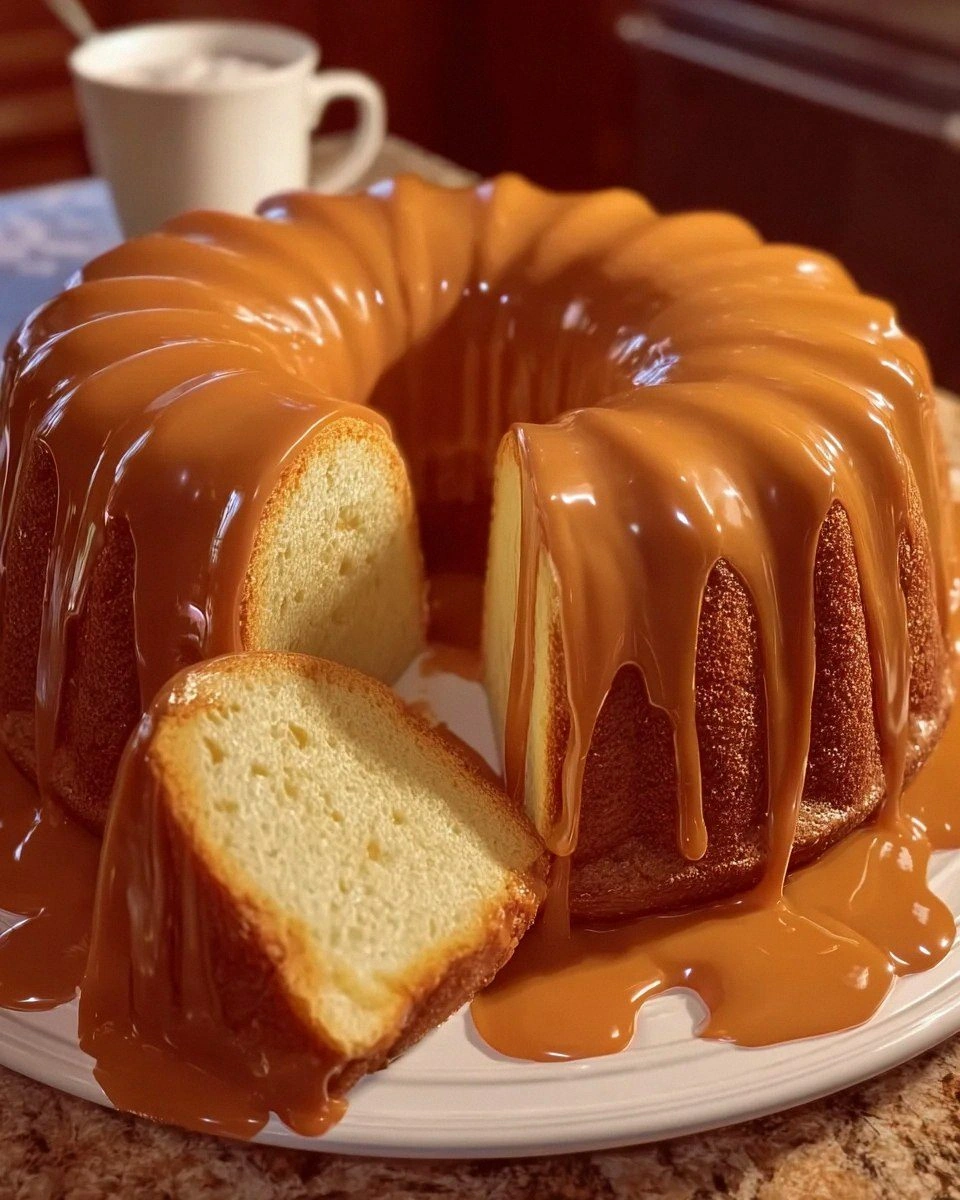
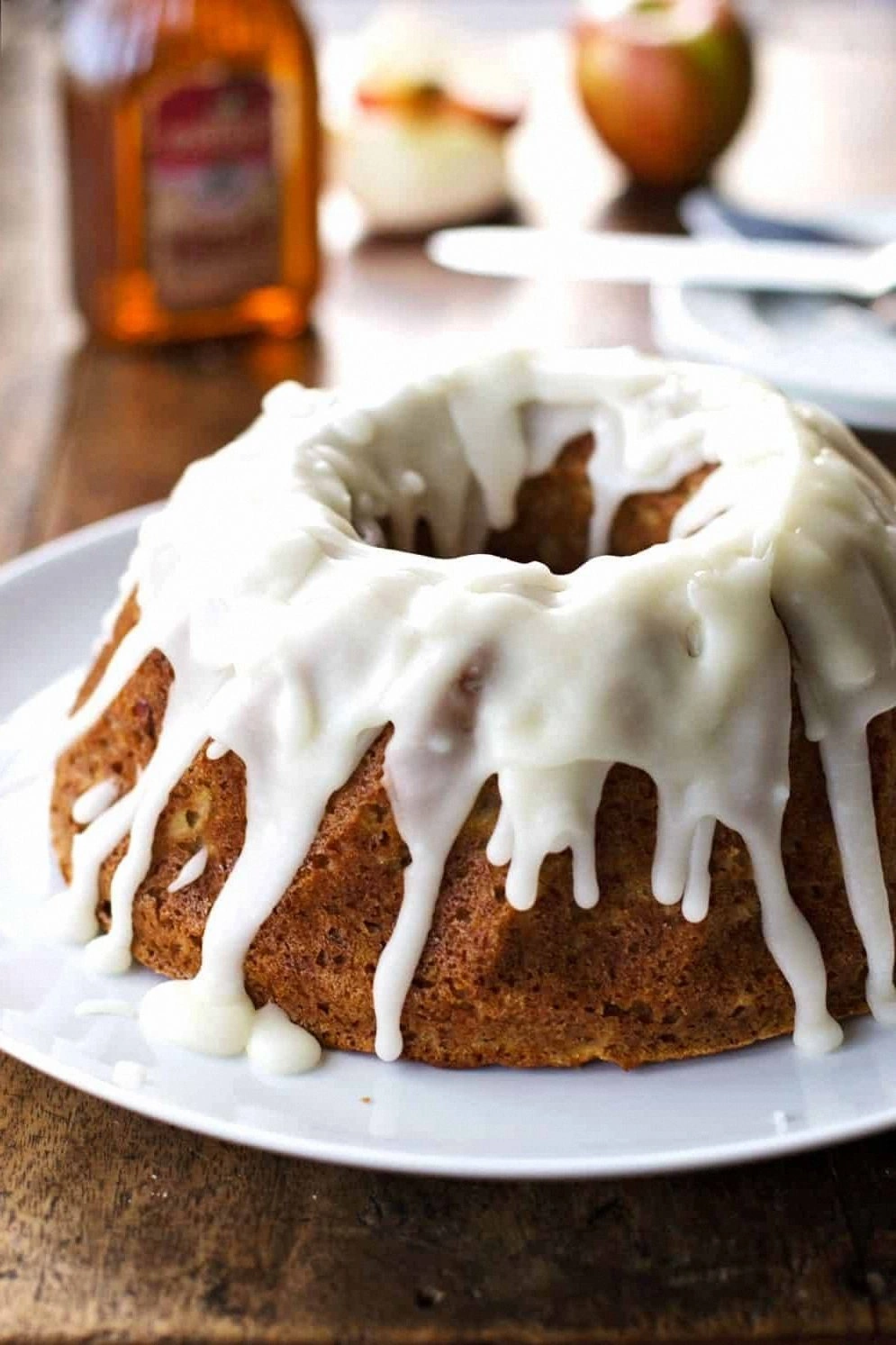
Allow the cake to cool in the pan for 10 minutes; this short rest lets the structure set, making it easier to invert without breaking. Then, run a thin knife around the edges, flip the pan onto a wire rack, and let the Bundt tumble gracefully onto its new home. The moment you see the honey‑glazed apple speckles peeking through the golden crumb, you’ll feel that rush of triumph that only a perfect bake can deliver.
That's it — you did it. But hold on, I've got a few more tricks that'll take this to another level, ensuring every slice is as flawless as the first.
Insider Tricks for Flawless Results
The Temperature Rule Nobody Follows
Never bake a Bundt cake straight from a cold kitchen. Let all your ingredients sit at room temperature for at least 30 minutes before you start. This simple step guarantees an even rise and prevents the batter from separating, which can cause a dense, uneven crumb. I once rushed a cake from the fridge, and the result was a flat, gummy mess – lesson learned.
Why Your Nose Knows Best
During the bake, trust your nose more than the timer. When the aroma shifts from raw batter to a sweet, buttery perfume with hints of caramelized apple, you’re close to perfection. If you smell a faint burnt scent before the timer, lower the oven temperature by 10°F and cover the cake loosely with foil to finish cooking without over‑browning.
The 5‑Minute Rest That Changes Everything
After you invert the cake, let it rest on the rack for an extra five minutes before slicing. This short pause allows the steam to settle, preventing the crumb from becoming gummy. I used to slice immediately and the interior would look slightly wet; now I give it that tiny breather and the texture is consistently moist yet firm.
Walnut Wonder
Adding toasted walnuts not only introduces a crunchy contrast but also brings a buttery richness that complements the honey. Toast them lightly in a dry pan for 3‑4 minutes until fragrant, then fold them in with the apples. If you’re allergic, substitute with toasted pumpkin seeds for a similar crunch.
Glaze for the Win
For an extra glossy finish, brush the warm cake with a thin glaze made of 2 tbsp honey mixed with 1 tsp warm water. This glaze seeps into the crust, giving it a shiny, caramelized sheen that looks as good as it tastes. I swear this step turns a good cake into a show‑stopping centerpiece.
Creative Twists and Variations
This recipe is a playground. Here are some of my favorite ways to switch things up:
Maple‑Pecan Delight
Swap the honey for pure maple syrup and replace walnuts with toasted pecans. The maple adds a deep, earthy sweetness, while pecans bring a buttery crunch that pairs beautifully with the apple’s tartness. Perfect for a fall gathering.
Cranberry‑Orange Burst
Fold in a handful of dried cranberries and a teaspoon of orange zest. The cranberries give a chewy pop, and the orange zest lifts the flavor profile with a citrusy zing. This variation is a hit at holiday brunches.
Spiced Chai Infusion
Replace the cinnamon and nutmeg with a chai spice blend (cardamom, cloves, ginger, and star anise). The result is a warm, exotic cake that feels like a cozy latte in dessert form. Serve with a dollop of whipped cream for extra indulgence.
Vegan Friendly
Swap butter for coconut oil, eggs for flax “egg” (1 tbsp ground flax + 3 tbsp water per egg), and use plant‑based milk. The texture remains moist, and the coconut oil adds a subtle tropical note that pairs surprisingly well with honey‑sweetened apples.
Chocolate Swirl
Gently fold in ½ cup of melted dark chocolate just before pouring the batter into the pan. The chocolate creates ribbons that contrast the honey‑apple base, delivering a decadent surprise in every bite. Ideal for chocolate lovers who still crave fruit.
Storing and Bringing It Back to Life
Fridge Storage
Wrap the cooled Bundt tightly in plastic wrap or store it in an airtight container. It will stay fresh for up to three days, retaining its moisture thanks to the honey. For an extra flavor boost, place a slice of apple on top of the cake before sealing.
Freezer Friendly
Slice the cake, then wrap each piece individually in parchment paper followed by a freezer bag. It freezes beautifully for up to two months. When you’re ready to enjoy, let it thaw at room temperature, then give it a quick 5‑minute warm‑up in a 300°F oven.
Best Reheating Method
To revive a refrigerated slice, place it on a microwave‑safe plate, drizzle a tiny splash of water (about a teaspoon) over the surface, and cover with a damp paper towel. Microwave for 15‑20 seconds; the steam will bring back that fresh‑baked softness. Alternatively, a 2‑minute warm‑up in a preheated oven works wonders for a crispier crust.