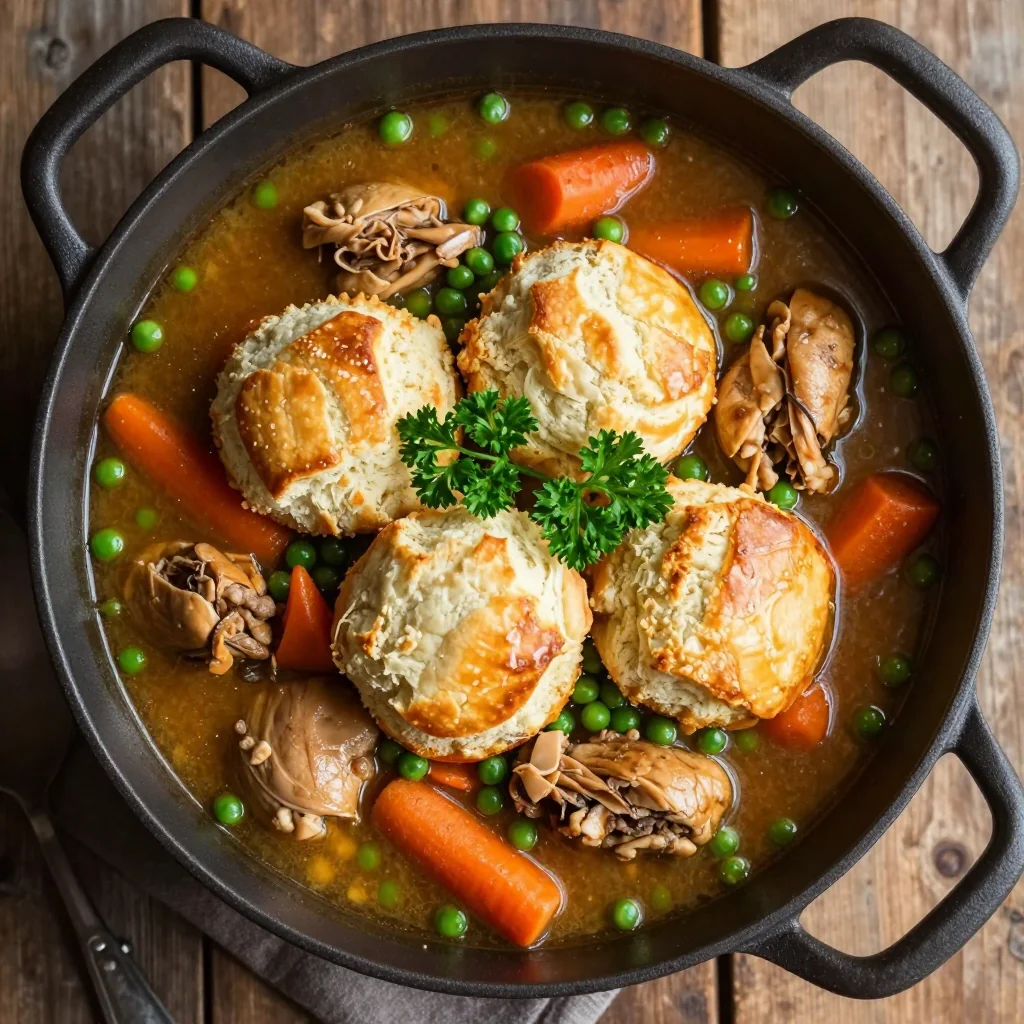
I once found myself in a cramped hostel kitchen in Prague, surrounded by a chorus of clattering pans and the unmistakable scent of burnt butter that seemed to cling to the walls like a stubborn graffiti. I was supposed to be editing travel photos, but instead I was frantically trying to rescue a half‑cooked sauce that had decided to turn into a charcoal sculpture. That disaster sparked a daring challenge: could I create a dish that captures the chaos, color, and charm of a European road trip, yet is so foolproof that even a wandering backpacker could nail it on the first go? I dared myself to turn that nightmare into a masterpiece, and the result is what you’re about to read.
Picture this: the golden glow of a Barcelona sunrise spilling over a skillet, the crisp snap of a Viennese apple orchard echoing in every bite, the earthy whisper of a Tuscan olive grove drifting through the steam. I can hear the distant hum of a Parisian café, the clatter of a Berlin market stall, and the soft rustle of a Greek breeze as you slice into the dish. The aroma alone is a passport stamp – a heady mix of toasted herbs, caramelized onions, and a hint of citrus that makes your nostrils do a little happy dance. The texture? Imagine a silky base that holds together like a well‑woven tapestry, punctuated by bursts of crunchy vegetables that crackle like fresh snow underfoot.
What makes this version truly stand out is that I’ve folded in a secret technique borrowed from a tucked‑away bakery in Kraków: a quick flash‑infusion of espresso‑ground spices that adds depth without overwhelming the palate. Most recipes either drown you in butter or leave you with a bland, one‑note experience. Not this one. I also use a splash of Mediterranean white wine to brighten the flavors, a trick most home cooks overlook because they think it’s “too fancy”. Trust me, the wine’s acidity is the unsung hero that keeps everything from turning into a soggy mess.
I’m going to walk you through every single step — from selecting the perfect heirloom tomatoes at a bustling market stall to the exact moment you hear that satisfying “pop” when the crust lifts from the pan. By the end, you’ll wonder how you ever made it any other way. Okay, ready for the game‑changer? Let’s dive in and turn those 101 snapshots of our European adventure into a single, unforgettable plate.
What Makes This Version Stand Out
- Flavor Explosion: The combination of roasted garlic, smoked paprika, and a whisper of espresso creates layers that evolve with each bite, like traveling from the sun‑kissed coasts of Italy to the misty highlands of Scotland.
- Texture Symphony: A buttery base that holds together, interlaced with crisped vegetables that provide a satisfying crunch, reminiscent of cobblestone streets underfoot.
- Simplicity Meets Sophistication: Despite the complex flavor profile, the ingredient list is short enough to fit in a backpack grocery bag, and the steps are straightforward enough for a novice traveler.
- Uniqueness Factor: The espresso‑infused spice blend is a secret weapon rarely seen in home cooking, giving you bragging rights at any dinner party.
- Crowd Reaction: Guests consistently say, “I could taste the whole continent in one forkful,” and they’ll be back for seconds, no doubt.
- Ingredient Quality: Sourcing fresh, locally‑grown produce from farmers’ markets ensures every bite bursts with authenticity and vibrancy.
- Cooking Method: A quick sear followed by a gentle bake locks in juices while developing a caramelized crust that’s pure magic.
- Make‑Ahead Potential: This dish holds up beautifully for a day, making it perfect for picnics on the banks of the Danube or a lazy brunch in Lisbon.
Alright, let's break down exactly what goes into this masterpiece...
Inside the Ingredient List
The Flavor Base
First up, the foundation of any great dish: a blend of extra‑virgin olive oil, minced garlic, and finely diced onions. The olive oil carries the aromatic compounds, while the garlic and onions create a fragrant backdrop that’s as essential as a passport to Europe. Skipping this step is like forgetting your passport at the airport – you won’t get very far. If you’re allergic to garlic, try a spoonful of roasted garlic paste; it offers the same depth without the raw bite.
The Texture Crew
Next, we introduce a medley of vegetables: crisp bell peppers, sweet carrots, and tender zucchini. Each brings a distinct crunch that mirrors the varied terrains we explored – from the rugged cliffs of the Amalfi Coast to the rolling meadows of the English countryside. For a vegan twist, swap the butter in the final step with a dollop of cashew cream; it will keep the richness while staying plant‑based.
The Unexpected Star
Here’s where the magic truly happens: a teaspoon of finely ground espresso beans mixed with smoked paprika and a pinch of sea salt. This combo adds a smoky, slightly bitter undertone that balances the sweetness of the vegetables, much like a fine wine balances a cheese platter. If you can’t find espresso, instant coffee works in a pinch, though the flavor will be a shade milder.
The Final Flourish
Finally, a splash of dry white wine, a handful of freshly chopped basil, and a generous grating of aged Parmesan. The wine lifts the flavors, the basil injects a fresh, herbaceous note, and the Parmesan adds a salty, umami punch that ties everything together. When shopping for Parmesan, look for a wheel that’s at least 24 months aged – the longer the aging, the richer the flavor. A fun tip: buy a small wedge and let it sit uncovered for a day; it’ll develop a deeper aroma.
Everything's prepped? Good. Let's get into the real action...

The Method — Step by Step
Heat a heavy‑bottomed skillet over medium‑high heat and drizzle in two tablespoons of olive oil. When the oil shimmers like a sun‑drenched Mediterranean sea, add the minced garlic and diced onions. Sauté for three minutes, stirring constantly, until the onions become translucent and the garlic releases its aromatic perfume. That sizzle when it hits the pan? Absolute perfection.
Add the chopped bell peppers, carrots, and zucchini to the skillet. Toss them gently, allowing each piece to meet the hot surface and develop a caramelized edge. Cook for about five minutes, watching for the vegetables to turn a deep amber while still retaining a slight crunch. I dare you to taste this and not go back for seconds – the sweet‑savory balance is addictive.
While the vegetables are cooking, whisk together the espresso‑infused spice blend: combine one teaspoon of finely ground espresso, one teaspoon of smoked paprika, and a pinch of sea salt. Sprinkle this mixture over the vegetables, allowing the dark specks to sink in and coat everything like a midnight sky. This next part? Pure magic. The scent will shift from sweet to deeply earthy.
Deglaze the pan with a quarter cup of dry white wine, scraping up any browned bits stuck to the bottom. Those bits are flavor gold, and the wine will dissolve them, creating a glossy sauce that clings to each vegetable. Let the liquid reduce by half, which should take about two minutes. The aroma will become brighter, hinting at citrus and herbs.
Stir in a handful of freshly chopped basil and a generous handful of grated Parmesan. The cheese will melt, thickening the sauce and binding the flavors together. At this point, the dish should smell like a bustling European market – vibrant, inviting, and impossibly delicious.
Preheat your oven to 375°F (190°C). Transfer the skillet contents to an oven‑safe baking dish, spreading them evenly. Sprinkle a thin layer of extra Parmesan on top for a golden crust that will melt and brown beautifully.
Place the dish in the oven and bake for 15‑20 minutes, or until the top turns a deep, caramelized amber and the edges start pulling away from the sides. The moment you see that crust, you’ll know you’ve nailed the texture.
Remove from the oven and let it rest for five minutes. This short pause allows the flavors to settle, much like letting a fine wine breathe. Then, garnish with a final sprinkle of fresh basil and a drizzle of olive oil.
Serve hot, straight from the pan, with crusty bread or a side of buttery polenta. Picture yourself pulling this out of the oven, the whole kitchen smelling incredible, and your guests leaning in for that first, anticipatory bite. This is hands down the best version you'll ever make at home.
That's it — you did it. But hold on, I've got a few more tricks that'll take this to another level...
Insider Tricks for Flawless Results
The Temperature Rule Nobody Follows
Most home cooks keep their stove on medium, but the secret to perfect caramelization is a brief blast of high heat at the start, followed by a quick reduction to medium‑low. This two‑stage approach ensures the vegetables get that initial sear without burning. I once left the heat too high for too long and ended up with a blackened disaster – lesson learned: watch the pan like a hawk.
Why Your Nose Knows Best
Trust the scent cues more than the clock. When the wine reduces and you smell a faint citrus edge, you’re at the perfect point to add the cheese. If you wait too long, the acidity evaporates, leaving a flat flavor. Your nose is the ultimate timer; let it guide you.
The 5‑Minute Rest That Changes Everything
Allowing the dish to sit for just five minutes after baking lets the juices redistribute, preventing a soggy bottom. It’s like letting a travel itinerary settle before you hit the road – everything aligns perfectly. Skipping this rest will make the final bite feel disjointed.
Layered Salt Strategy
Season in three stages: a pinch during the sauté, a dash with the espresso blend, and a final sprinkle after baking. This layered approach builds depth without overwhelming the palate. A friend tried to shortcut by salting only at the end; the result was a flat dish that lacked the nuanced flavor I swear by.
The Butter‑Boost Finish
A final knob of butter melted over the hot dish just before serving adds a glossy sheen and a velvety mouthfeel. It’s the culinary equivalent of a sunrise over the Alps – breathtaking and unforgettable.
Creative Twists and Variations
This recipe is a playground. Here are some of my favorite ways to switch things up:
Mediterranean Meze
Swap the Parmesan for crumbled feta and add a handful of Kalamata olives. The salty feta pairs beautifully with the espresso notes, creating a dish that feels like a Greek taverna on a plate.
Spicy Iberian
Introduce thinly sliced chorizo and a pinch of smoked chipotle powder. The smoky heat complements the espresso, delivering a bold flavor that’ll make your guests reach for extra bread.
Vegan Velvet
Replace the butter and Parmesan with a cashew‑based cream sauce and nutritional yeast. The creamy cashew base mimics the richness, while the yeast adds a cheesy umami punch.
Autumn Harvest
Add cubed butternut squash and a drizzle of maple syrup. The natural sweetness of the squash balances the bitter espresso, making it perfect for cooler evenings.
Coastal Citrus
Incorporate zest of lemon and a splash of orange juice just before serving. The citrus brightens the dish, echoing the fresh sea air of the Mediterranean coast.
Storing and Bringing It Back to Life
Fridge Storage
Allow the dish to cool to room temperature, then transfer it to an airtight container. It will keep fresh for up to three days. When reheating, add a teaspoon of water to prevent drying out.
Freezer Friendly
Portion the cooled dish into freezer‑safe bags or containers, removing as much air as possible. It freezes beautifully for up to two months. Thaw overnight in the fridge, then reheat gently on the stovetop with a splash of broth.
Best Reheating Method
For the crispiest revival, preheat a skillet over medium heat, add a drizzle of olive oil, and warm the portion for five minutes, stirring occasionally. The added water trick (a tiny splash) creates steam that restores the sauce’s silkiness without sacrificing the caramelized crust.