I was standing in my kitchen, staring at a handful of overripe tomatoes that had been sitting on my counter for days. I had tried to salvage them in a salad, a sauce, even a quick stir‑fry, but each attempt ended in disappointment—either the tomatoes turned into mush or the flavors fell flat. I was about to toss them into the trash when a friend texted me, “Got a minute? I’ve got a killer recipe that turns any tomato into a culinary masterpiece.” That text was the spark that ignited this obsession with roasted tomato pasta.
The moment the oven door opened, the kitchen filled with the warm, caramelized scent of tomatoes. Their skins blistered, releasing a sweet, almost smoky aroma that made my mouth water. As I sliced the tomatoes, their skins peeled away like a fine lace, revealing a deep, ruby‑red interior that glistened. The sound of the tomatoes hitting the skillet was a satisfying hiss, a promise of the flavor to come. My senses were on high alert, and I knew this dish would be worth the wait.
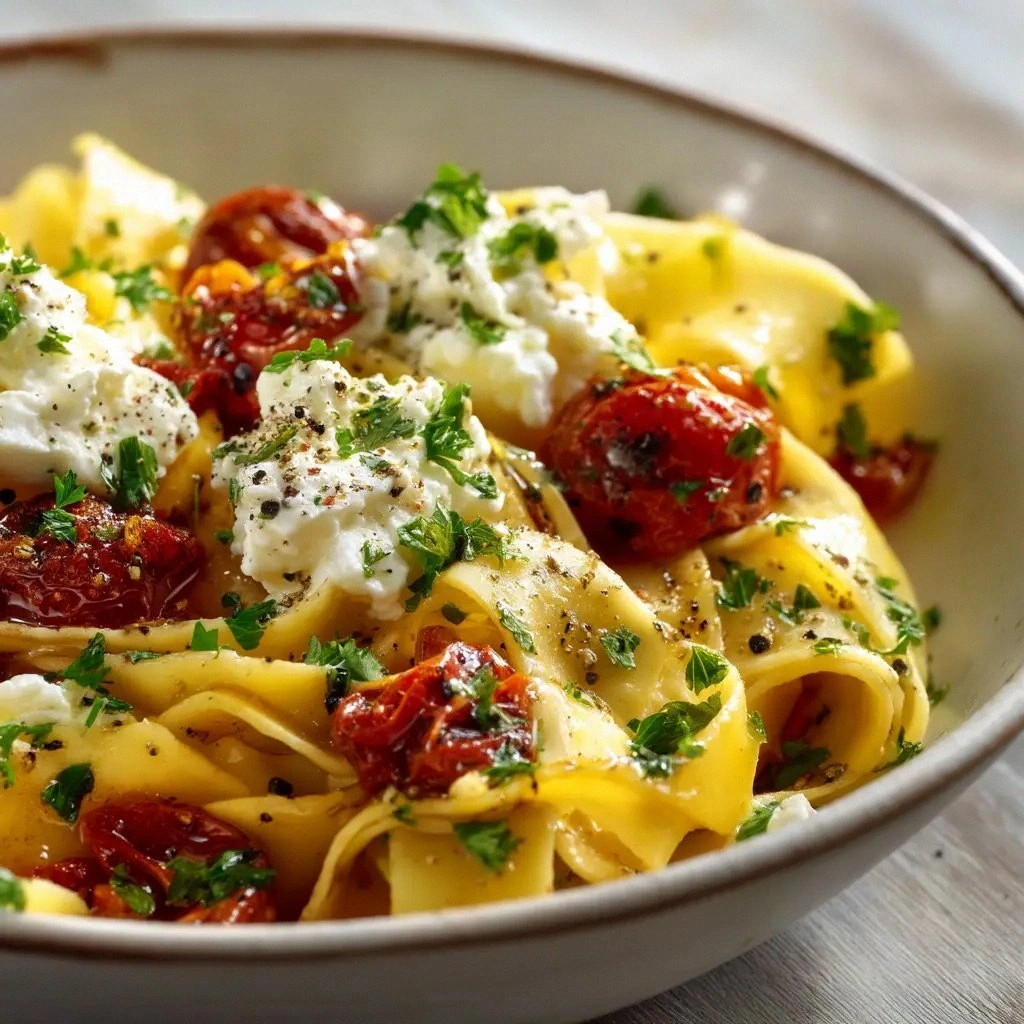
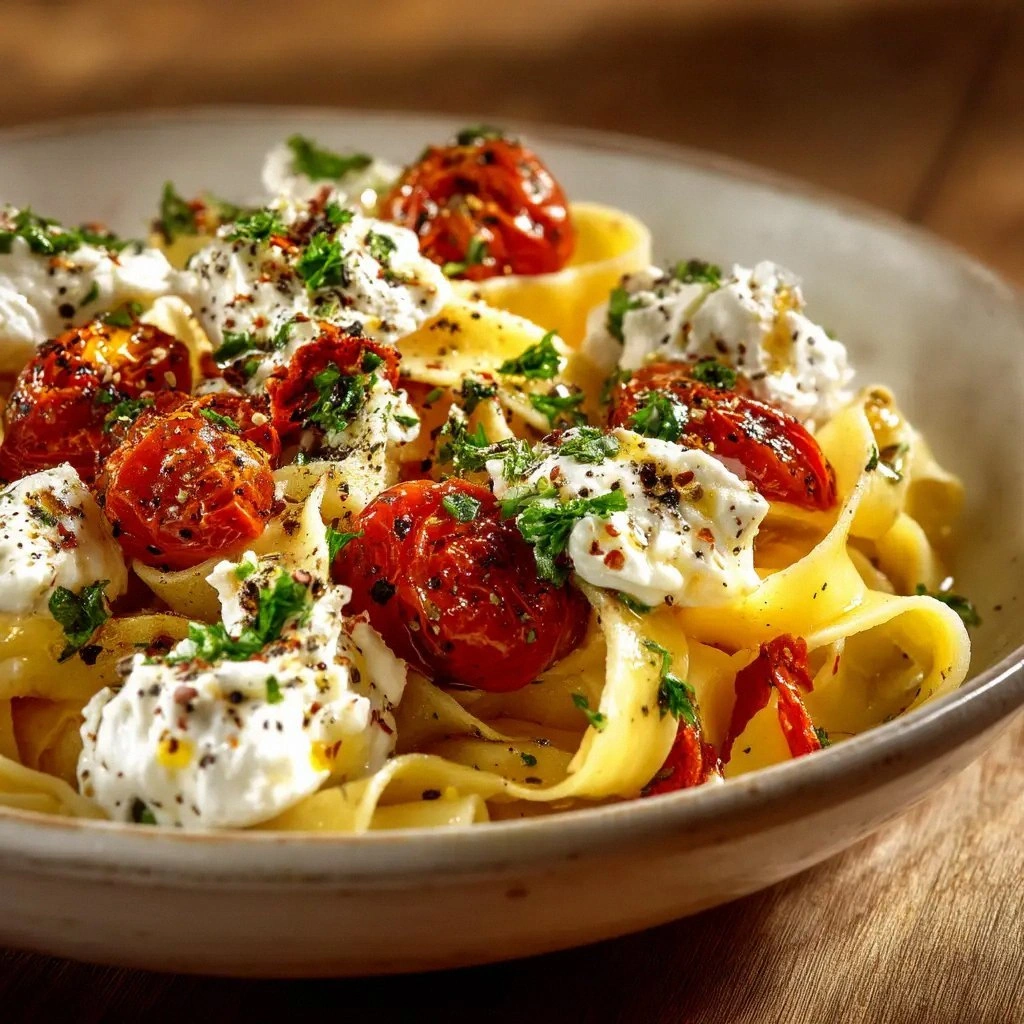
What makes this version of creamy roasted tomato pasta stand out is the way it balances richness with brightness. The roasted tomatoes give a depth that a canned sauce can’t match, while the heavy cream and Parmesan create a silky, velvety texture that coats every strand of rigatoni. The dish is surprisingly simple to prepare, yet it feels like a gourmet creation that would impress even the most discerning foodie. I dare you to taste this and not go back for seconds; the flavor is addictive.
I’ll be honest—when I first made this, I ate half the batch before anyone else got to try it. The sauce clung to the pasta like a second skin, and the basil’s freshness cut through the richness like a bright knife. Most recipes get this completely wrong, either by over‑cooking the tomatoes or under‑seasoning the sauce. But here, the balance is perfect. Picture yourself pulling this out of the oven, the whole kitchen smelling incredible, and the anticipation of that first bite building up. Let me walk you through every single step—by the end, you’ll wonder how you ever made it any other way.
What Makes This Version Stand Out
- Flavor Depth: Roasting the tomatoes caramelizes their natural sugars, creating a sweet, savory base that’s far richer than any store‑bought sauce. This depth carries the dish even when you add cream, ensuring every bite is packed with complexity.
- Texture Harmony: The sauce’s silky finish contrasts beautifully with the firm, al dente rigatoni. The slight crunch of the tomato skins adds a playful bite that keeps the dish from feeling too heavy.
- Ingredient Quality: Using fresh, vine‑grown tomatoes, a splash of high‑quality olive oil, and freshly grated Parmesan elevates the dish from ordinary to extraordinary. The freshness of basil and pepper flakes adds bright, aromatic accents.
- Time Efficiency: The entire process takes less than an hour, making it a go‑to weeknight dinner that still feels special. The oven roasting step is hands‑off, letting you focus on the sauce’s final flourish.
- Make‑Ahead Potential: The sauce can be made a day ahead, and the pasta can be reheated with a splash of pasta water for a silky finish. This flexibility makes it perfect for busy schedules.
- Crowd‑Pleaser: Even the most skeptical eaters will be won over by the creamy, tomato‑rich flavor. It’s a dish that invites conversation and compliments alike.
- Versatility: Swap rigatoni for penne, add grilled chicken or shrimp, or spice it up with chili flakes. The base is robust enough to accommodate a variety of additions.
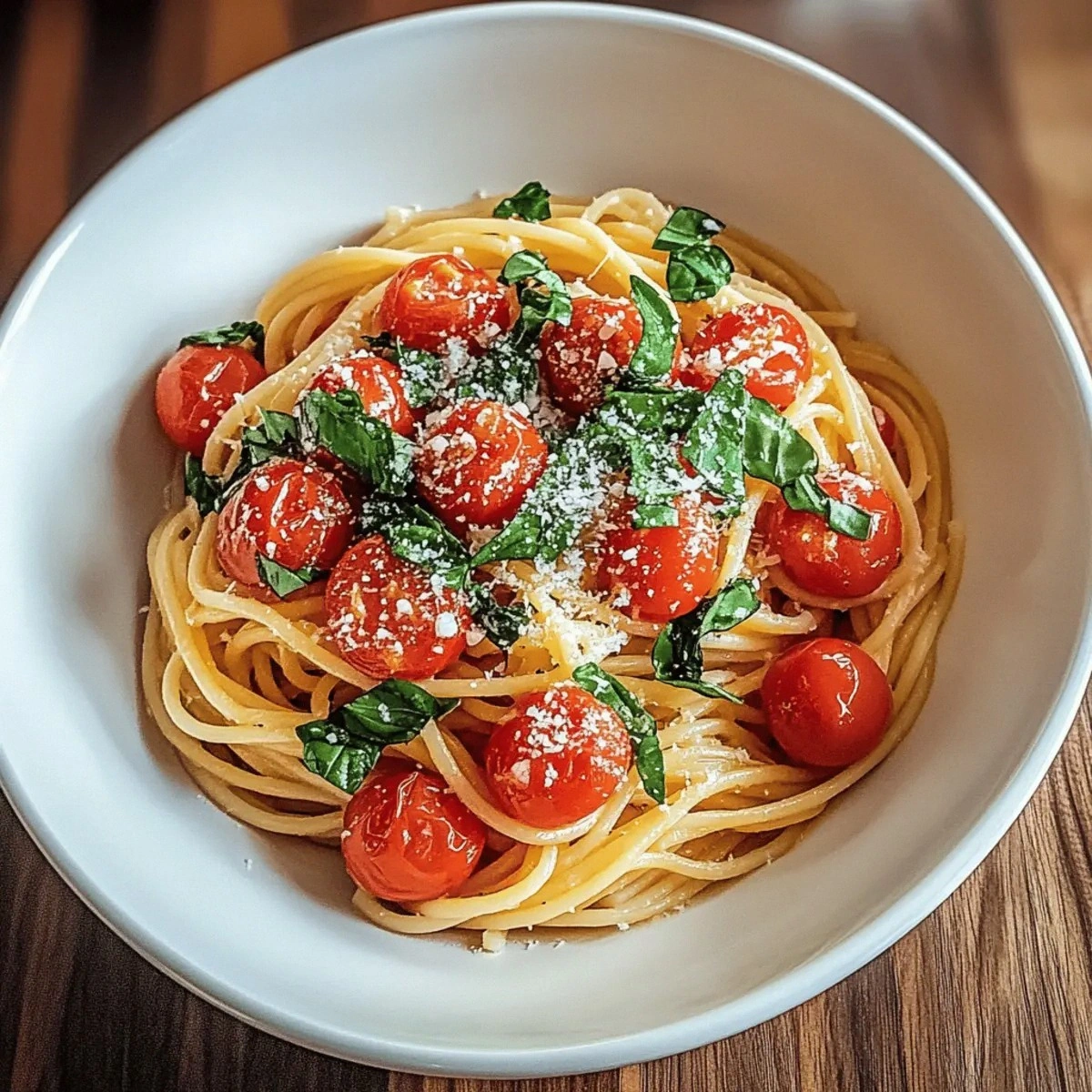
- Presentation: The glossy sauce, bright basil garnish, and a sprinkle of Parmesan make the dish look as good as it tastes. It’s Instagram‑ready without any extra effort.
Alright, let’s break down exactly what goes into this masterpiece…
Inside the Ingredient List
The Flavor Base
The heart of this dish is the roasted tomatoes. Fresh, ripe tomatoes hold the most flavor, so choose those that are slightly soft to the touch and have a deep, uniform color. Roasting them brings out their natural sweetness and creates a caramelized crust that adds a subtle crunch. If you’re in a pinch, you can use pre‑ripe tomatoes from a grocery store, but the flavor won’t be as vibrant.
The heavy cream and Parmesan work together to create that luxurious, velvety texture. Heavy cream is essential; it’s the reason the sauce coats the pasta so smoothly. Parmesan adds a nutty, umami kick that balances the sweetness of the tomatoes. If you’re lactose‑intolerant, a dairy‑free cream and a plant‑based Parmesan substitute will still deliver a creamy consistency, though the flavor profile will shift slightly.
Red pepper flakes are the secret spice that gives the sauce a gentle heat without overwhelming the dish. They add depth and a touch of warmth that complements the tomatoes’ natural sweetness. If you prefer a milder version, reduce the flakes to a pinch or omit them entirely.
The Texture Crew
Rigatoni or penne pasta provides the perfect canvas for the sauce. Their ridges or tubes trap the creamy tomato mixture, ensuring every bite is flavorful. If you’re a fan of a slightly crisp exterior, cook the pasta a minute or two less than the package instructions. The residual heat from the sauce will finish the cooking process.
The reserved pasta water is a game‑changer. It contains starch that helps thicken the sauce, giving it that glossy sheen that makes the dish look restaurant‑quality. Adding a splash of water at the end of cooking can transform a dry sauce into a silky, cohesive coating.
The Unexpected Star
Fresh basil is the final flourish that lifts the entire dish. Its peppery, sweet aroma cuts through the richness, creating a balanced flavor profile. Chop the basil finely just before serving to preserve its bright green color and aroma.
The Final Flourish
Black pepper and salt are the unsung heroes that bring everything together. They enhance the natural flavors of the tomatoes and cream, preventing the dish from tasting flat. Remember to taste the sauce before adding more salt; a little goes a long way.
Everything's prepped? Good. Let's get into the real action…
The Method — Step by Step
- Preheat and Roast: Set your oven to 425°F (220°C) and line a baking sheet with parchment paper. Spread the tomatoes, cut side down, on the sheet and drizzle with 1 tablespoon of olive oil. Roast for 15 minutes, then flip the tomatoes and roast for an additional 10 minutes. The skins should blister and the tomatoes should be soft and slightly caramelized. This step builds the foundation of flavor.
- Sauté the Aromatics: While the tomatoes roast, heat the remaining 2 tablespoons of olive oil in a large skillet over medium heat. Add the diced onion and sauté until translucent, about 4–5 minutes. Toss in the minced garlic and cook for another 30 seconds until fragrant. Be careful not to burn the garlic, as it will turn bitter.
- Blend the Tomatoes: Once the tomatoes are roasted, transfer them to a blender or use an immersion blender directly in the skillet. Add the roasted tomatoes, sautéed onion, garlic, and 1/4 teaspoon of red pepper flakes. Blend until smooth, adding a splash of reserved pasta water if the mixture is too thick. The result should be a silky, glossy sauce.
- Simmer the Sauce: Return the blended sauce to the skillet and bring to a gentle simmer over low heat. Stir in 1/2 cup of heavy cream and 1/2 cup of grated Parmesan. Let the mixture thicken slightly, about 3–4 minutes, and taste for seasoning. The sauce should coat the back of a spoon and have a rich, velvety consistency.
- Cook the Pasta: While the sauce simmers, bring a large pot of salted water to a boil. Add 1 lb of rigatoni or penne and cook according to package instructions, stopping 1–2 minutes before al dente. Reserve 1 cup of pasta water before draining.
- Combine and Finish: Add the drained pasta to the sauce, tossing to coat. If the sauce seems too thick, gradually add reserved pasta water until you reach the desired consistency. Sprinkle in 1/4 cup of fresh basil, 1/4 teaspoon of red pepper flakes, 1 tsp salt, and 1/2 tsp black pepper. Toss everything together and let it heat through for 1–2 minutes.
- Plate and Serve: Divide the pasta among bowls, garnish with extra basil leaves and a light dusting of Parmesan. Drizzle a small amount of olive oil over each serving for a glossy finish. Serve immediately while hot, and watch the steam rise in a swirl of aromatic vapor.
- Enjoy: Take a bite, feel the silky sauce envelop your palate, and let the roasted tomato flavor explode. I dare you to taste this and not go back for seconds. The combination of sweet, savory, and creamy is impossible to resist.
That's it—you did it. But hold on, I've got a few more tricks that'll take this to another level...
Insider Tricks for Flawless Results
The Temperature Rule Nobody Follows
Many people think a high heat is always better, but with this sauce, low and steady wins the race. Keep the simmer on low to prevent the cream from curdling. The sauce should be just hot enough to thicken, not boiling. This subtle temperature control is what separates a good dish from a great one.
Why Your Nose Knows Best
When the tomatoes roast, your nose will tell you when the sugars are caramelized. You’ll notice a sweet, almost caramel scent that indicates the tomatoes are ready. Trust that aroma; it’s the quickest way to avoid under‑roasted or over‑roasted tomatoes.
The 5-Minute Rest That Changes Everything
After you finish cooking, let the pasta sit for 5 minutes off the heat. This allows the noodles to finish cooking in their own steam and absorb the sauce better. The result is a pasta that feels like it’s been cooked to perfection every single time.
The Secret of Fresh Basil
Fresh basil is the final flourish that elevates the dish. Chop it just before serving to preserve its bright green color and aroma. If you’re short on time, use pre‑chopped basil, but the flavor won’t be as vibrant.
The Pasta Water Trick
Reserve a cup of pasta water before draining; its starch content thickens the sauce and helps it cling to the noodles. If the sauce feels too thick, add a splash of this starchy water, and if it’s too thin, let it simmer a bit longer to reduce. This small tweak can make the difference between a good and a great dish.
Creative Twists and Variations
This recipe is a playground. Here are some of my favorite ways to switch things up:
Mediterranean Twist
Swap the Parmesan for crumbled feta and add a handful of Kalamata olives. The salty, briny flavor pairs beautifully with the sweet tomatoes, giving the dish a distinctly Mediterranean feel.
Spicy Sriracha Kick
Replace the red pepper flakes with a spoonful of Sriracha for a bold, smoky heat. The sauce becomes a fiery adventure that’s perfect for those who love a spicy bite.
Protein Power
Add grilled chicken, shrimp, or sautéed sausage to the pasta for a protein boost. The meat’s savory depth complements the creamy tomato sauce, turning dinner into a hearty main course.
Vegan Version
Use coconut milk instead of heavy cream and nutritional yeast for a vegan Parmesan alternative. The dish remains creamy and flavorful, and it’s a great option for plant‑based diners.
Rustic Herb Mix
Blend in a handful of fresh oregano, thyme, and rosemary along with the basil. This herb medley creates a rustic, earthy flavor profile that feels like a summer garden on a plate.
Storing and Bringing It Back to Life
Fridge Storage
Store leftover pasta in an airtight container for up to 3 days. Keep the sauce and pasta separate if possible; when reheating, combine them just before serving to maintain freshness. The sauce may thicken slightly, so add a splash of pasta water when reheating.
Freezer Friendly
Freeze the sauce in a freezer‑safe container for up to 2 months. Reheat gently on the stovetop, stirring frequently, and add a small amount of water or cream to loosen it up. The pasta is best reheated separately and tossed with the sauce just before serving.
Best Reheating Method
To reheat, place the pasta in a skillet over low heat, add the sauce, and stir until heated through. A splash of reserved pasta water or a drizzle of olive oil helps restore the sauce’s silky texture. Serve immediately for the best flavor and mouthfeel.