Love this? Pin it for later! 📌
There’s something magical about January mornings—the hush of new-fallen snow, the soft gray light filtering through frosted windows, and the scent of ginger, cinnamon, and molasses curling through the kitchen like a whispered promise that the holidays don’t have to end just because the calendar says so. These gingerbread pancakes were born on one such morning, when my daughter tugged on my sleeve and asked, “Can we keep Christmas alive a little longer?” We whisked, flipped, and stacked our way to an answer: absolutely.
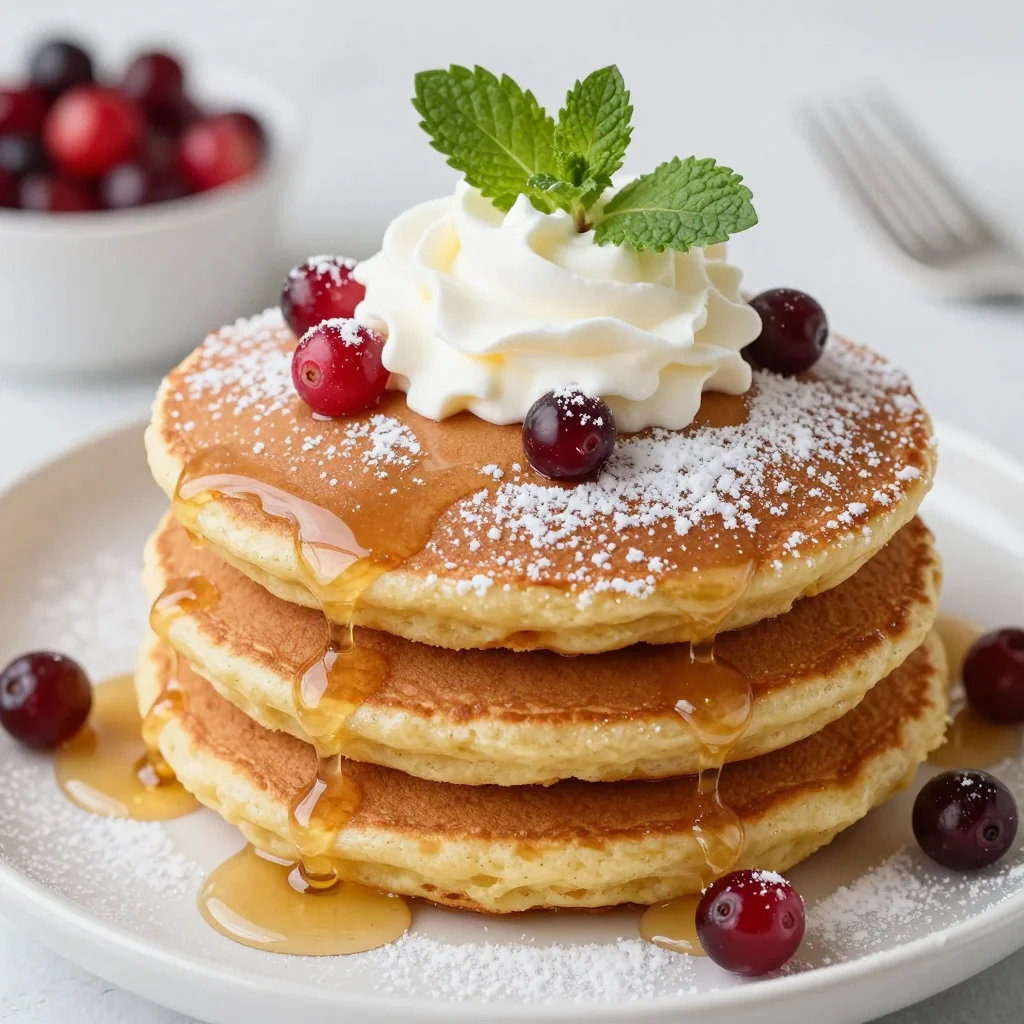
Unlike their cookie cousin, these pancakes are cloud-soft inside, with crackly edges that taste faintly of caramelized brown sugar. A whisper of blackstrap molasses gives them that iconic gingerbread depth, while a kiss of orange zest brightens the whole stack for a breakfast that feels like winter sunshine on a plate. Serve them with a drizzle of maple cinnamon syrup, a dollop of bourbon whipped cream, or simply a pat of salted butter melting into every cranny. Whether you’re feeding sleepy weekend guests or treating yourself to a quiet moment before the day begins, these pancakes turn an ordinary January morning into something quietly celebratory.
Why This Recipe Works
- Triple-spice balance: Ginger, cinnamon, and a pinch of white pepper give warming complexity without overwhelming the palate.
- Buttermilk tenderness: Real buttermilk activates the baking soda for extra fluff and tangy flavor.
- Molasses trick: A modest 2 Tbsp adds classic color & aroma without making the batter heavy.
- Rest & rise: A 10-minute rest hydrates flour for tender cakes that don’t shrink on the griddle.
- Freezer-friendly: Make a double batch; flash-freeze squares with parchment for instant weekday comfort.
- One-bowl method: Melted butter doubles as pan grease—fewer dishes, more joy.
Ingredients You'll Need
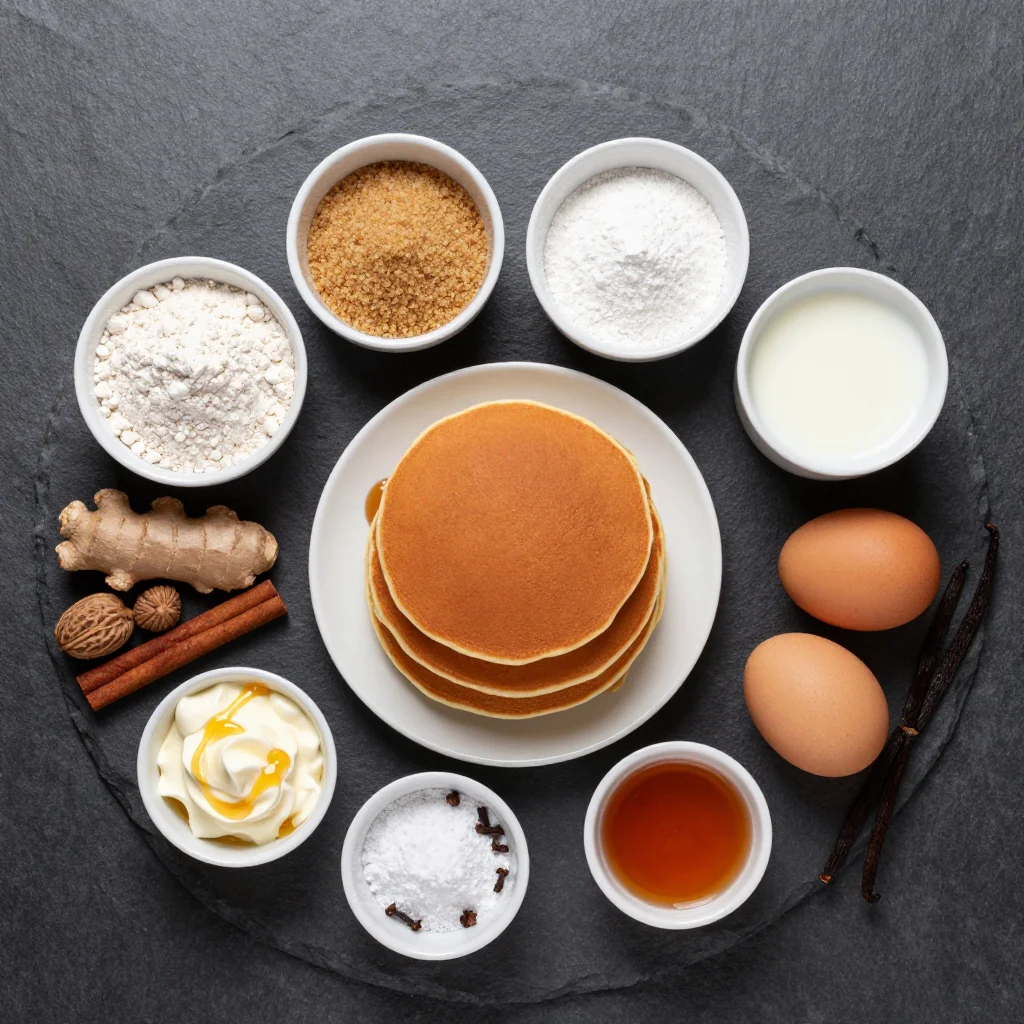
Great gingerbread pancakes start with great building blocks. Let’s break them down:
All-purpose flour: A modest 11–12 % protein flour gives structure while staying tender. If you only have cake flour, swap in 1 Tbsp extra per cup for stability. Whole-wheat pastry flour works for half the amount if you’d like a nuttier vibe.
Molasses: Choose unsulphured, not blackstrap, for the first go-round; it’s lighter and less bitter. If you’re a molasses devotee, bump to 3 Tbsp and dial the brown sugar back by 1 Tbsp.
Spice triad: Ground ginger for zing, Ceylon cinnamon for sweet warmth, and a pinch of white pepper for the subtle back-of-throat tingle that makes everyone ask, “What’s your secret?” Freshly grate your nutmeg if you can—1/4 tsp of fluffy fresh equals 1/2 tsp pre-ground.
Buttermilk: Real, thick, tangy buttermilk is non-negotiable for maximum rise. No buttermilk? Stir 1 Tbsp lemon juice into scant 1 cup whole milk; let stand 5 minutes. Dairy-free? Use rich oat milk with the same acid trick—the pancakes will be slightly less fluffy but still delicious.
Eggs: Two large eggs, room temperature, for loft and emulsification. Cold eggs can cause the melted butter to seize; simply set them in a bowl of warm tap water for 5 minutes.
Unsalted butter: Melted and cooled so it won’t scramble the eggs. Reserve 1 tsp to grease the skillet—butter-browned edges are everything.
Orange zest: Optional but transformative. Use the fine side of a Microplane and avoid the bitter white pith. In summer, swap for lemon; in fall, try clementine.
How to Make Gingerbread Pancakes: A Festive January Breakfast
Whisk dry & aerate
In a large bowl whisk 2 cups (250 g) flour, 2 Tbsp brown sugar, 2 Tbsp malted milk powder (optional for diner flavor), 2 tsp baking powder, 1 tsp baking soda, 1 1/2 tsp ginger, 1 tsp cinnamon, 1/2 tsp salt, 1/4 tsp nutmeg, and 1/8 tsp white pepper. Aerating the flour now means less stirring later—translation: tender cakes.
Combine wet magic
In a medium bowl whisk 2 eggs until frothy, then whisk in 1 3/4 cup buttermilk, 2 Tbsp molasses, 1 tsp vanilla, and 1 tsp orange zest. Slowly drizzle 3 Tbsp melted butter while whisking; the mixture should be glossy and homogenous.
Make a well & fold
Form a well in the dry ingredients; pour in wet. Using a silicone spatula, fold gently just until no dry streaks remain. Lumps are your friend—over-mixing develops gluten and yields chewy pancakes.
Rest the batter
Cover bowl with a tea towel; let stand 10 minutes. During this pause the flour hydrates, starch swells, and bubbles form—your insurance policy against dense cakes.
Preheat & test
Heat a cast-iron griddle or non-stick skillet over medium-low for 3 minutes. Lightly grease with the reserved 1 tsp butter. Test by dropping a 1 tsp dollop of batter—it should sizzle gently but not brown instantly.
Portion & shape
Using a 1/4-cup scoop, drop batter onto griddle, leaving 2 inches between cakes. For diner-perfect circles, hold spoon 2 inches above surface and let batter “pour itself” outward.
Watch for bubbles
Cook 2–3 minutes until edges look matte and bubbles form, pop, and leave tiny craters. Flip once—resist the urge to press down—and cook 1 1/2–2 minutes more. Interiors should read 200 °F if you’re thermo-obsessed.
Hold & serve
Transfer to a 200 °F oven on a cooling rack set inside a sheet pan. Avoid stacking hot pancakes—they’ll steam and deflate. Serve in tall, fluffy towers with softened butter, maple syrup, and a snow-dusting of powdered sugar.
Expert Tips
Temperature is everything
Too-hot griddles burn sugar before centers cook. Medium-low is your sweet spot; if using electric, aim for 325 °F.
Boost fluff with seltzer
Replace 1/4 cup buttermilk with chilled club soda for extra lift—perfect for New-Year brunch theatrics.
Freeze on a sheet first
Spread cooled pancakes in a single layer, freeze 1 hour, then bag. You’ll grab exact portions without icy clumps.
Color = flavor cue
Deep mahogany flecks mean caramelized spices—flip when edges turn from glossy to matte, not when entire surface browns.
Stevia-citrus glaze option
Whisk 1/2 cup powdered erythritol + 2 Tbsp orange juice for a lower-sugar drizzle that still feels indulgent.
Overnight sponge method
Mix dry + wet (minus eggs & butter) the night before; cover on counter. Next morning whisk in eggs & butter—tangier, deeper flavor.
Variations to Try
- Chocolate-Ginger Swirl: Fold 1/3 cup mini chips into batter; top with ganache made from equal parts cream & dark chocolate.
- Pear-Gingerbread Dutch Baby: Pour batter over sautéed pear slices in a hot 10-inch oven-proof skillet; bake 18 min at 425 °F for a puffed showstopper.
- Vegan Version: Sub 1 1/2 cups almond milk + 1 Tbsp vinegar for buttermilk; use flax eggs (2 Tbsp flax + 5 Tbsp water per egg) and coconut oil in place of butter.
- Gingerbread Waffles: Increase butter to 4 Tbsp and add 1 Tbsp cornstarch for crisp edges; cook in a preheated Belgian iron until steam subsides.
- Gluten-Free Fluff: Replace flour with 1 cup superfine rice flour + 1/2 cup oat flour + 1/4 cup potato starch + 1 tsp xanthan gum.
- Spiked Whipped Cream: Beat 1 cup cold cream with 2 Tbsp powdered sugar and 1 Tbsp bourbon; dollop on each stack for weekend brunch decadence.
Storage Tips
Refrigerate: Cool pancakes completely, layer between parchment in an airtight container, refrigerate up to 4 days. Reheat in a toaster (crisp edges) or 350 °F oven for 5 minutes.
Freeze: Flash-freeze on a sheet pan, then transfer to zip bags with parchment squares between each. Freeze up to 2 months. Microwave 30 seconds per cake or toast straight from frozen.
Make-Ahead Batter: Stir dry mix in a jar; attach a tag with wet ingredients list for an adorable winter hostess gift. Or mix full batter the night before, hold off on baking soda, and fold it in just before cooking for a make-ahead brunch rush.
Frequently Asked Questions
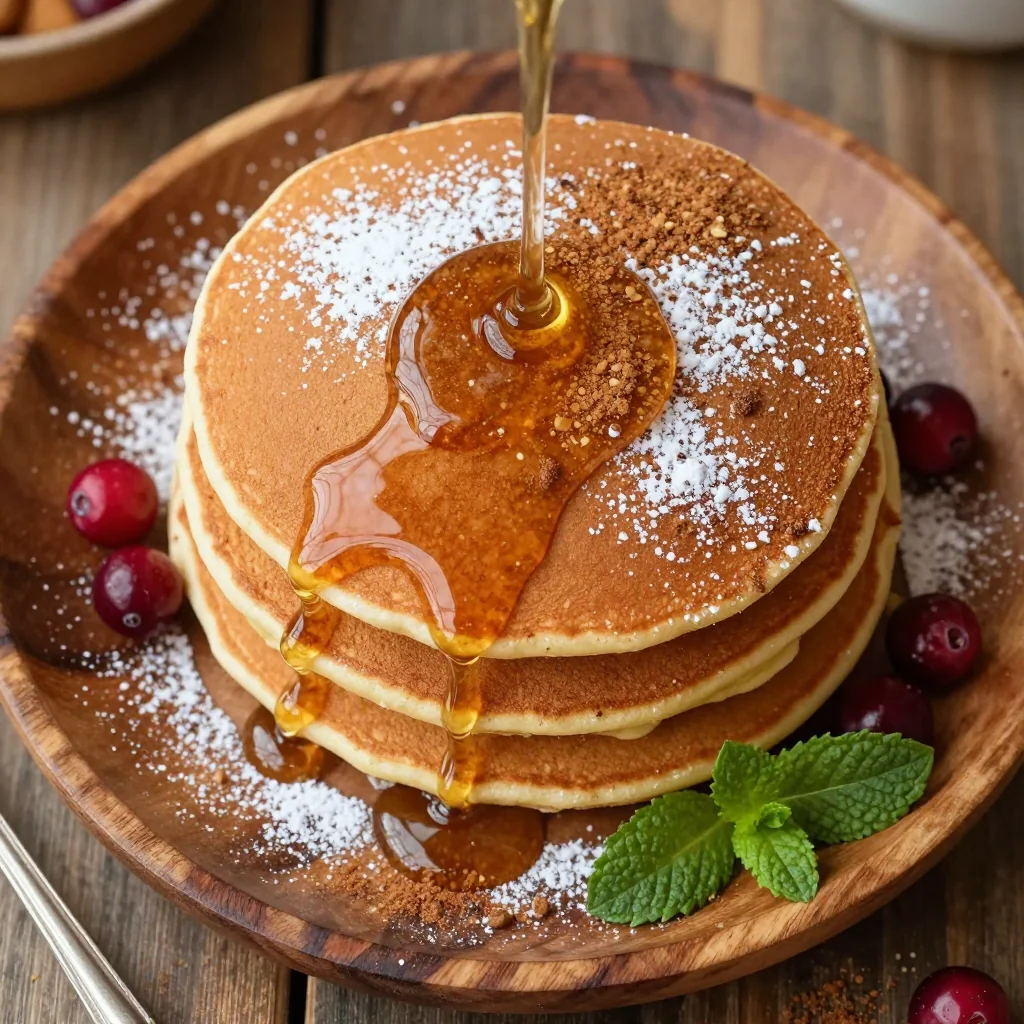
Gingerbread Pancakes: A Festive January Breakfast
Ingredients
Instructions
- Whisk Dry: Combine flour, sugar, malted milk, baking powder, baking soda, spices, and salt in a large bowl.
- Whisk Wet: Beat eggs until frothy; whisk in buttermilk, molasses, vanilla, and zest. Drizzle in melted butter.
- Make Batter: Form a well in dry ingredients; pour in wet. Fold just until combined. Lumps are okay.
- Rest: Cover and let batter stand 10 minutes to hydrate.
- Preheat Griddle: Heat a skillet over medium-low; lightly grease with reserved butter.
- Cook: Drop 1/4-cup batter portions; cook 2–3 min per side until browned and centers spring back.
- Serve: Keep warm in a 200 °F oven on a rack. Serve with maple syrup, whipped cream, or pomegranate arils for color.
Recipe Notes
For ultra-fluffy cakes, separate eggs: whisk yolks with wet, beat whites to soft peaks, and fold in at the end. Cakes freeze beautifully—separate with parchment, bag, and toast straight from frozen for busy mornings.